Tadoba Safaris Price Chart

Tickets Booking in 4-59 Days Monday to Friday Saturday & Sundays
Amount INR 7900 INR 9000
Tickets Booking in 60-120 Days Monday to Friday Saturday & Sundays
Amount INR 11845 INR 16377
Tickets Booking in 01-03 Days (Tatkal) Monday to Sunday N/A
Amount INR 16000 N/A
Safari Booking will be CLOSED after 5:00 PM for Next Day booking.
All Core Gates are CLOSED on every Tuesday.
All Buffer Gates are CLOSED on every Wednesday.
M,E,N in above table stands for Morning, Evening, Night respectively.
Tatkal Booking is available for Core gates only 3 days Prior to Safari.
Terms and Conditions:
The visitors for safari are not allowed to extend the passengers as they will not get the entry in the park.
Jeep Safari amounts is non refundable.
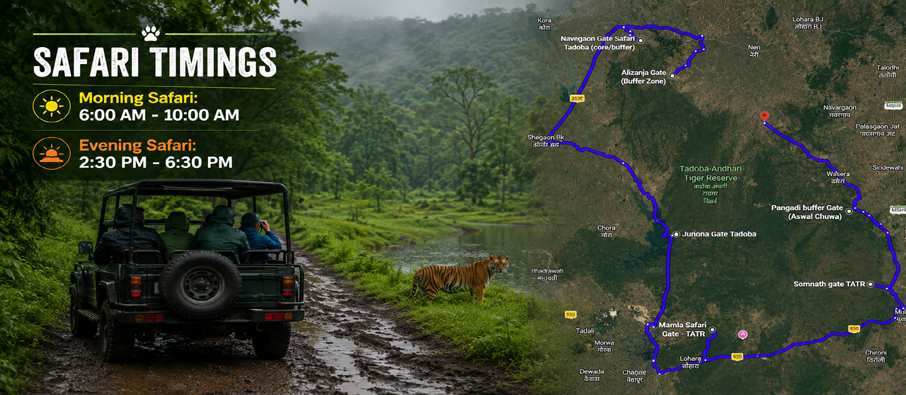
Welcome to the Tadoba National Park online safari booking platform. Here, visitors can conveniently reserve Jeep seats in advance through our online service. The entire booking process for Tadoba Safari Jeeps is overseen and managed by the park's forest officials. Safari tours are available in both the core and buffer zones of the park in the stipulated time slots mentioned above.

Tadoba National Park Booking

About Tadoba National Park

Tadoba Andhari Tiger Reserve and Sanctuary is counted among the popular national parks of India. This notable tiger destination is situated in the Chandrapur district of Maharashtra. Starting with the name of this esteemed national park, ‘Tadoba’, is derived from ‘Taru’, known to be a tribal god, deeply revered by the locals. The Andhari riverflows through the forest of Tadoba, hence the name Tadoba Andhari Tiger Reserve. The tiger reserve is spread across 625.4 sq. km, and it is the oldest and largest national park in Maharashtra. For wildlife enthusiasts, Tadoba National Park is one of the best places for an Indian tiger tour. In the year 1986, Andhari Wildlife Sanctuary came into existence, and later it was expanded to include the area of Tadoba National Park. Every year, Tadoba National Park attracts a large pool of tourists from across the country and the world. With several safari zones, both in core and buffer areas, tourists get to spot a wide variety of flora and fauna during the safari rides.

Jeep Safari in the Jungles of Tadoba

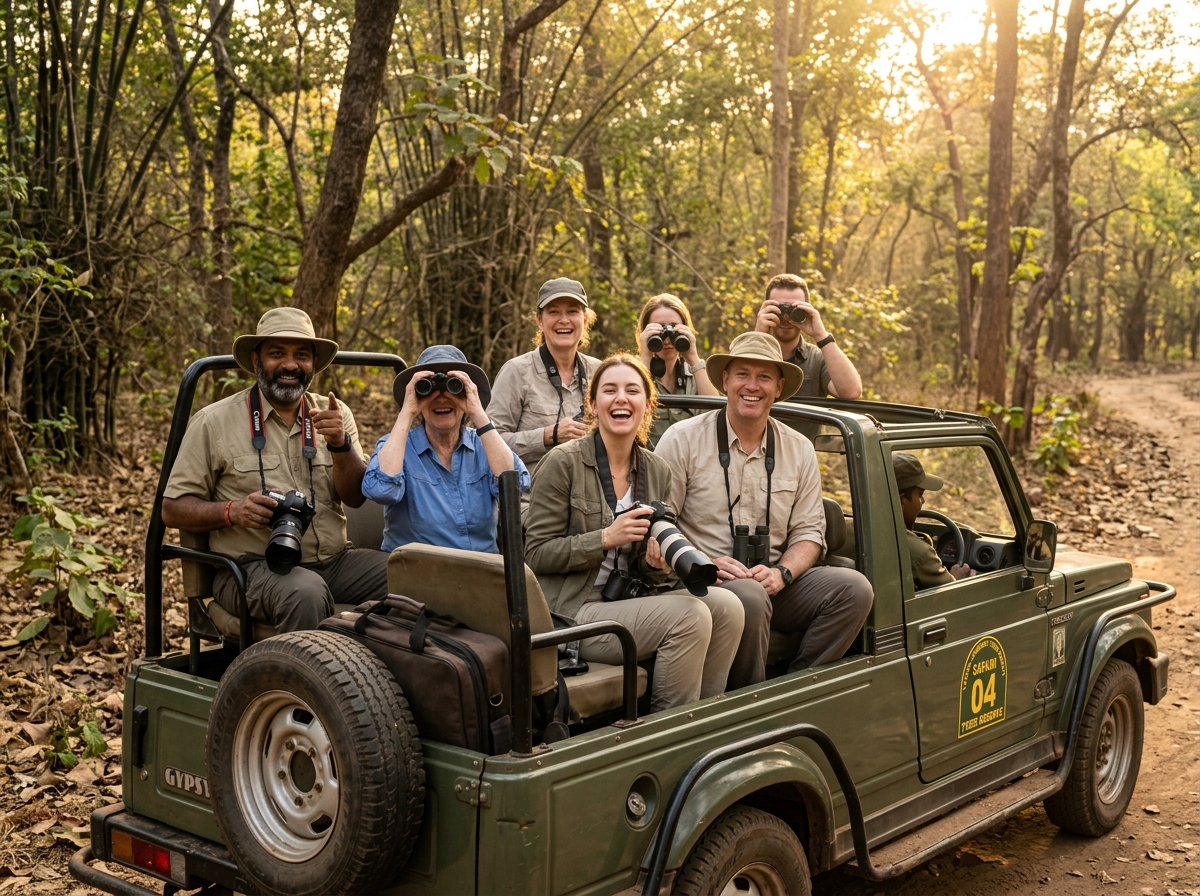
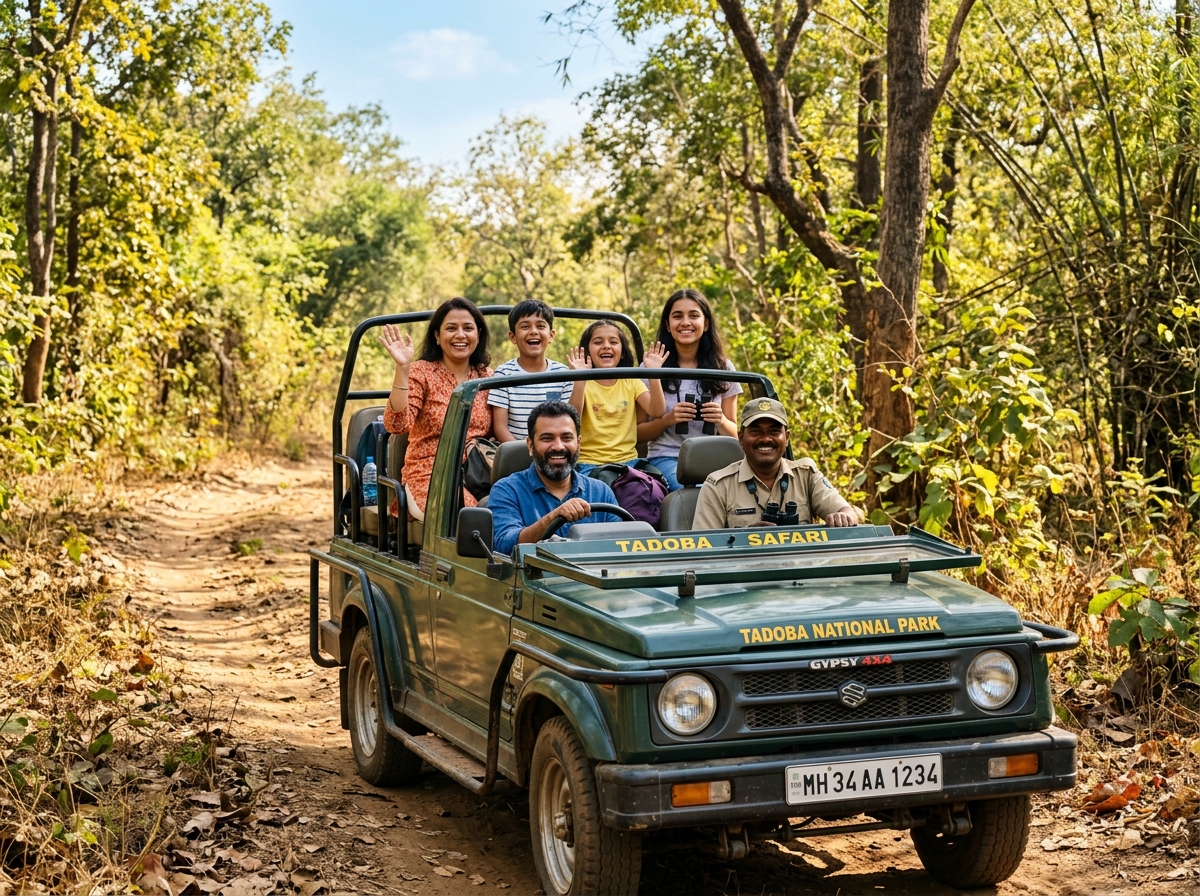
4-wheeler open gysies traverse across the forest of Tadoba and are a great mode of safari rides for tourists to explore the national park. Tourists interested in exploring the safari zones of Tadoba can book jeep safaris in advance through our online booking system. The open vehicle facilitates a clear and unhindered view of the wildlife inside the forest with a seating capacity of 6 people. Tadoba is famous for tigers, and by booking a jeep safari, tourists and photographers can get a better sighting. Jeep safaris are available in both core and buffer zones. However, during the tourist season, the safari slots are engaged quite early. Therefore, advance booking of a jeep is strongly recommended.

tadoba jeep safari

Types of Safari Tourism Zones

Core Zones - Core Zones in Tadoba National Park are the deepest part of the forest, with dense vegetation, abundant biodiversity and frequent tiger sightings. No human habitation is allowed in these parts of the forest. Tourists, too, are not allowed to enter the core areas of Tadoab forest with their private vehicles. Both the core and buffer zones are closely monitored and controlled by the Forest Department. Only jeeps are allowed to enter the core zones, that too, only during the safari timings, which are set by the officials of the Forest Department.
• Tadoba Core Zone Entry Gates - Moharli, Kolara, Khutwanda, Navegaon, Zari, and Pangadi.

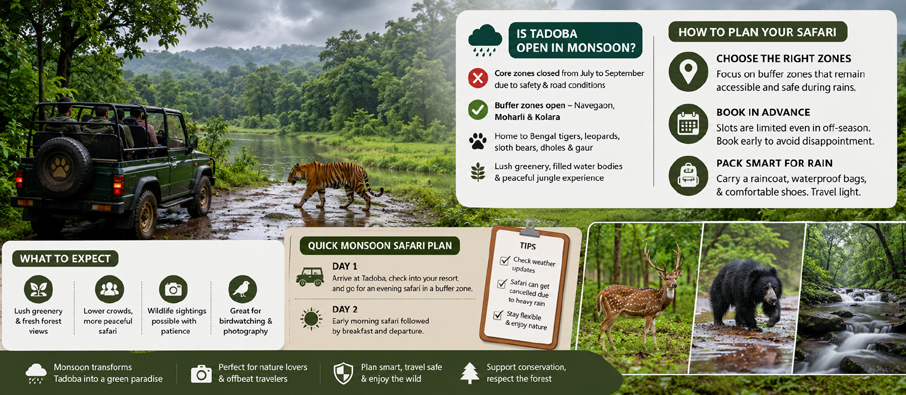
Buffer Zones - The area surrounding the core zones of Tadoba is the buffer zone. The forest is less dense, and human inhabitation is allowed in these areas. Many locals who are dependent on Tadoba’s tourism stay in the buffer area of the forest. The buffer zones also offer excellent opportunities for wildlife sightings. Unlike the core zone, the buffer zone remains accessible to tourists year-round, including the monsoon season.
• Tadoba buffer zone entry gates - Agarari, Devada-Adegaon, Ramdegi, Navegaon, Madnapur, Mamla, Pangadi Aswal Chuha Gate, Srikada, Zari/Peth, Palasgaon, Klara Chauradeo, Kesalghat, Nimdela-Ramdegi, Belara, Alizanza and Adegaon.

tadoba zones
Geographical Details about Tadoba
tadoba map
  • 1. Total Forest Area – 1536 Square Kilometres
  • 2. Core Area – 716 square kilometres
  • 3. Type of Forest – tropical moist, deciduous forests with sal, mixed forest .
  • 4. Rivers – Johilla, janadh, charanganga, Damnar, Banbei, Ambanala and Andhiyari Jhiria
  • 5. Hills – Tadoba hill, rising 811 meters above sea level
  • 6. Temperature – maximum 40 degree Celsius in summer and 8 degree in winter
  • 7. Annual Rainfall – The average rainfall of Tadoba National Park is 1133mm
Road Distance from Tadoba to following Cities
  • 1. Distance from Nagpur 140 km
  • 2. Distance from Pune 742 km
  • 3. Distance from Mumbai 856 km
  • 4. Distance from Gwalior 850 km
  • 5. Distance from Navi Mumbai 858 km
  • 6. Distance from Indore 856 km
  • 7. Distance from Nashik 689 km
  • 8. Distance from Bhopal 500 km
  • 9. Distance from Jabalpur 418 km
  • 10. Distance from Katni 513 km
  • 11. Distance from Hyderabad 447 km
  • 12. Distance from Solapur 576 km
  • 13. Distance from Lucknow – 430 Km
Tadoba National Park History

A popular legend speaks of a brave man named Taru, who belonged to the Gond tribe and lived in a respected village. One day, he faced a huge tiger near a lake close to his home. A fierce fight followed between the man and the animal. Some stories say Taru killed the tiger, while others believe the tiger overpowered him despite his courage. Whatever the true ending, Taru became a heroic figure in local belief. A small shrine was later built in his honour near the lake and the nearby forest. Over time, the place came to be known as “Tadoba,” a name taken from Taru’s own name.

In 1931, a rule was introduced that banned the killing of tigers in the park and nearby protected areas. The region covered about 45 sq. km and was surrounded by Tadoba Lake. In 1935, this land was officially declared a wildlife sanctuary. Later, in 1942, parts of Tadoba were marked as game reserves. These included Karwa, Kalsa, Moharli, and Mul blocks, where hunting permits were issued only in Karwa and Kalsa.

For many centuries, the Gond kings ruled this region, as they did much of central India. During the 18th century, the Marathas took control, and about a hundred years later, the British administration followed. In 1879, the forest area was notified as a reserved forest. In 1955, Tadoba became one of the earliest national parks in India, the same year Kanha National Park was formed. However, even after legal protection, problems like overuse of forest resources, hunting, poaching, and farming inside forest land continued. Because of these activities, all four hunting blocks were permanently closed in the 1970s.

In 1986, around 506.32 sq. km of land was declared as the Andhari Wildlife Sanctuary. Later, in 1993, Tadoba National Park and Andhari Wildlife Sanctuary were merged to form the Tadoba-Andhari Tiger Reserve (TATR). The total protected area then increased to about 622.87 sq. km, creating a much larger and safer habitat for wildlife.

Tadoba - A Famous Wildlife Destination in India

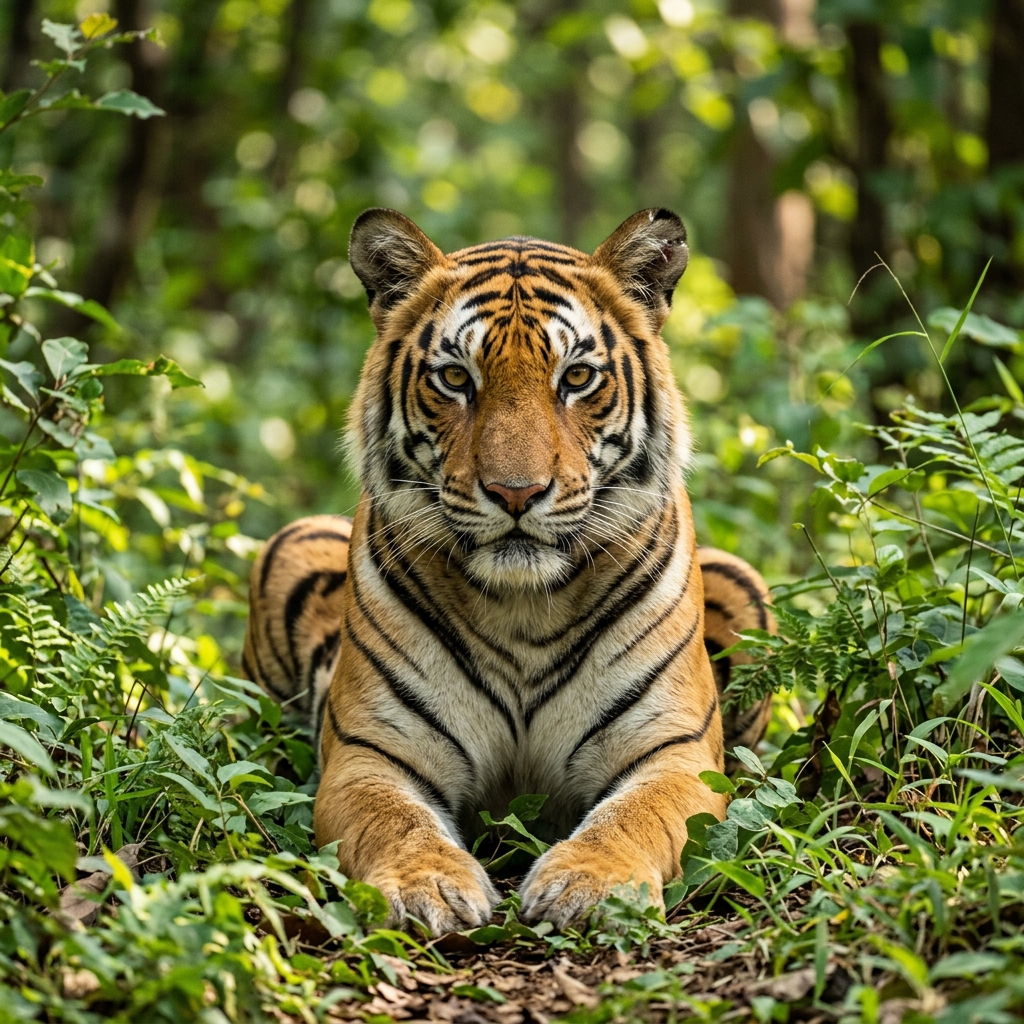
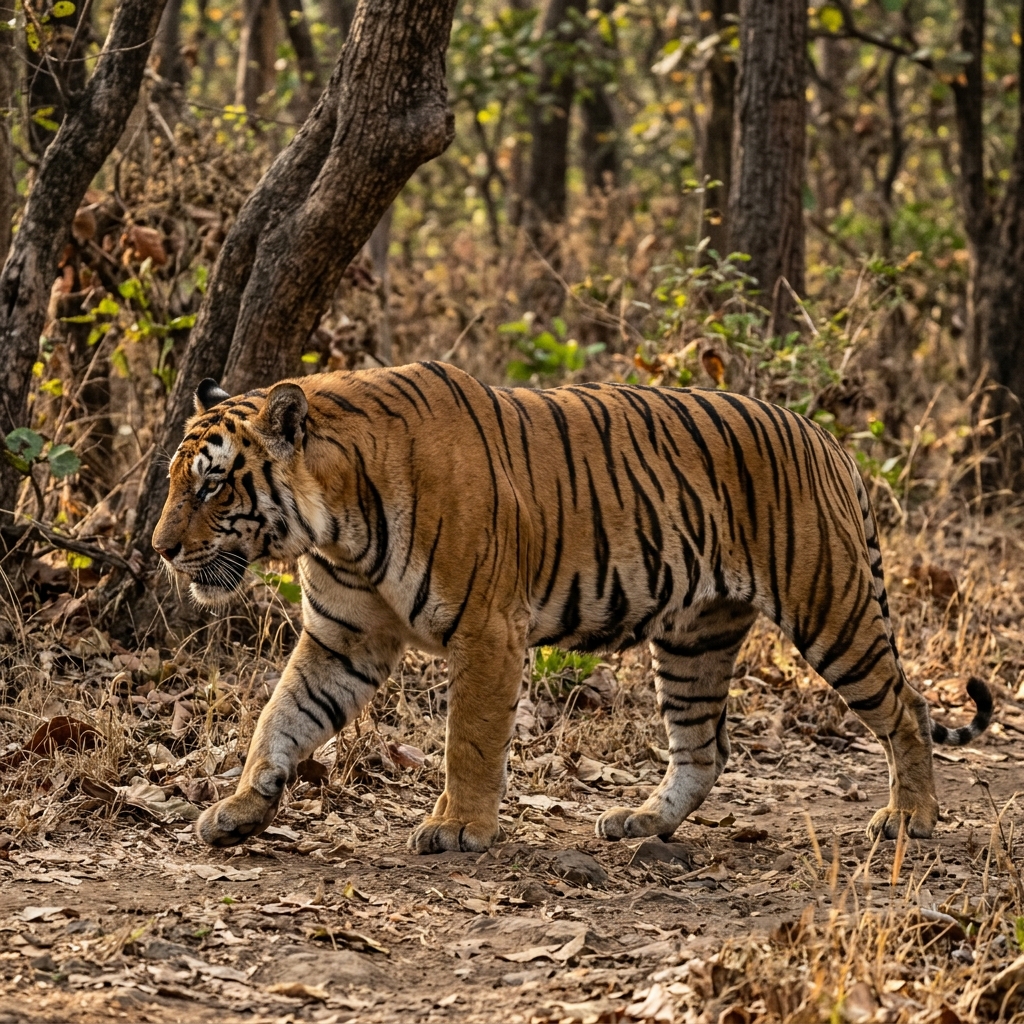
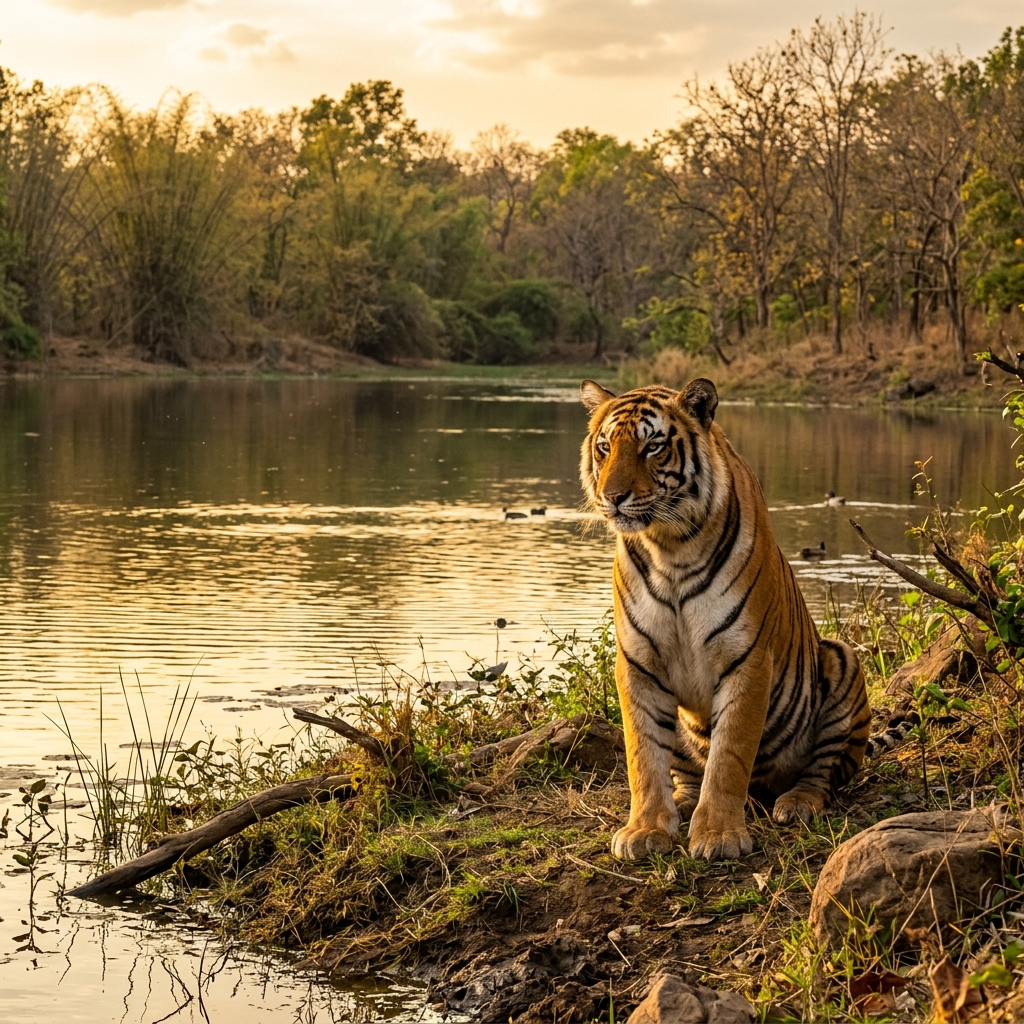
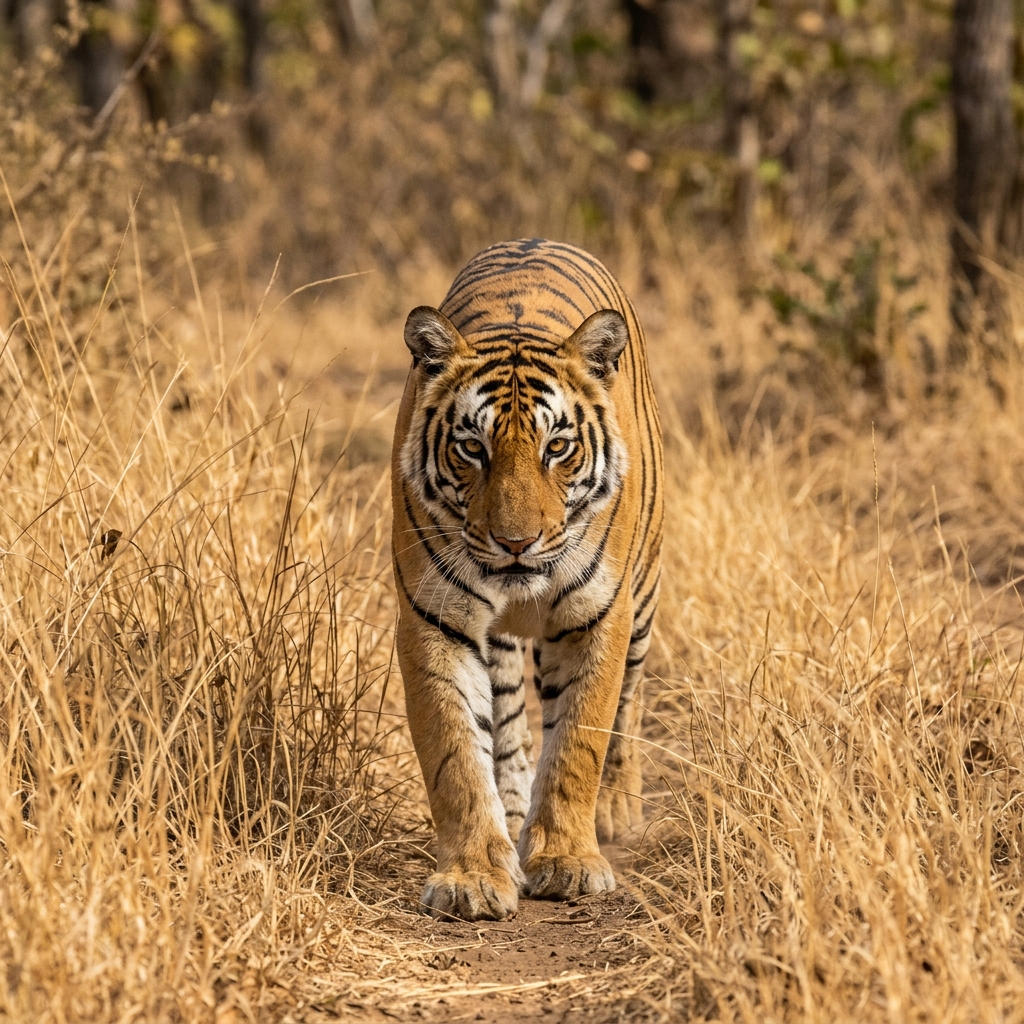
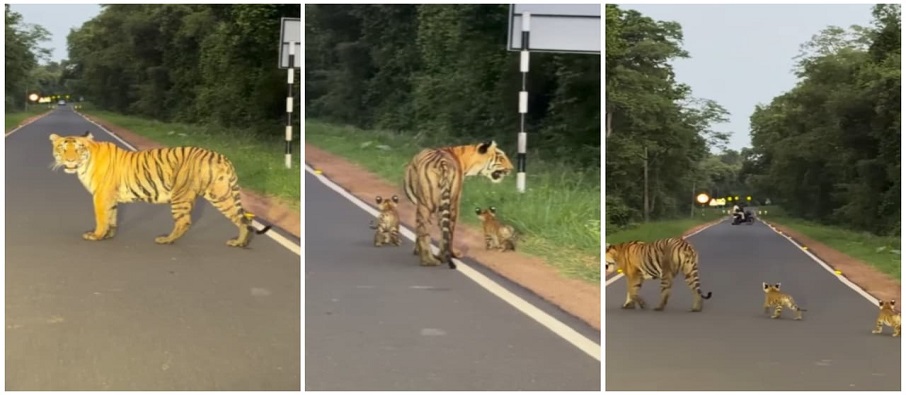
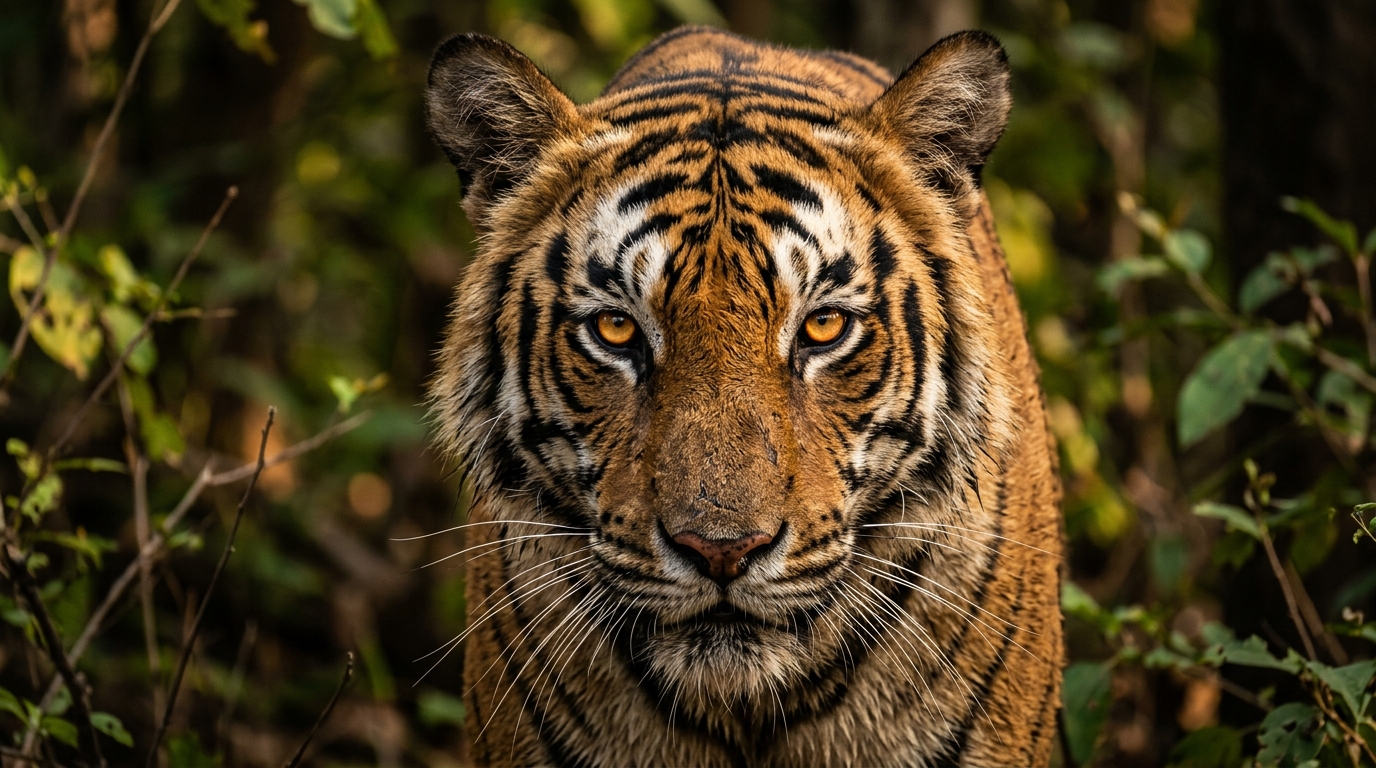
Tadoba National Park is the pride of Maharashtra. Additionally, it is a significant protection and conservation ground for tigers and other wildlife species. Being a popular and significant wildlife sanctuary in India, Tadoba National Park is a dream destination for many wildlife enthusiasts, especially to spot the majestic Bengal tigers in their natural habitat. The highest rush remains in the core zones of the national park. With a wide variety of flora and fauna, the forest of Tadoba is cool and calm, i.e. enough for visitors to rejuvenate their mind and body. Please note that tiger sightings are never ensured by any travel operators or the driver and guide. Choosing the right season and safari slot enhances the chances of tiger and other wildlife sighting. However, due to the significant tiger population, the safari goers usually are not disappointed as the tiger sightings are usually frequent.

Tadoba National Park Safari Zones:-

Moharli Safari Zone :- Moharli is the best known tourism for tiger spotting, popular for giving shelter to the highest density of tiger in its territory. Open Jeep safari is the most feasible option to explore the rich diversity of flora and fauna of the TATR. Jeep safari rides passes through the densely forested area of the park where there is increased chances of spotting the rare wild species of tigers along with the other animals.

Kolara Safari Zone :- Kolara is another famous zone in Tadoba National Park, after Moharli Zone. This zone, too, has a significant density of the tiger population. This zone is very much liked for its distinct topography and the greater possibility of spotting the rarest of the wild animal species, which are comparatively lower in this zone. The Possible entries in this zone are through Madnapur, Shirkheda, Alizanza and Bellara gates.

Khutwanda Safari Zone :- Khutwanda Zone is also counted among the best zones of Tadoba. This gate is located close to the Moharli Entry Gate. It is easily accessible from Nagpur and Chandrapur. The zone is embellished by the beauty of flora and fauna, and a wildlife resort surrounds it.

Navegaon Safari Zone :- Tadoba’s most popular core gate is located about 140 km from Nagpur. Only six safari vehicles are allowed in each morning and evening slot. This area is also rich in birdlife and supports nearly 60% of all bird species found across Maharashtra.

tadoba safari zones

Zari Safari Zone :- The Zari Safari Zone is known for giving some of the best views of Tadoba National Park. It has its own special appeal, with nearby places to stay and basic facilities for visitors. When you book a safari from the Zari gate, your journey takes you through the core and central parts of Tadoba’s tourism area.

Pangadi Safari Zone :- The Kolsa range can be entered only through the Pangadi gate. For both morning and afternoon safaris, only two jeeps are allowed with permits in this zone.

In short, one can get an idea of the conservation chronology of TATR through the points listed below:

  • 1873- British started planned fire protection in Tadoba
  • 1879- Tadoba is declared as the Reserved Forest
  • 1905- Tiger shooting was prohibited except for blocks with ‘special permits’
  • 1907- First forest rest house was built by Britishers
  • 1931- Restrictions were placed on the shooting of all the animals
  • 1935- 45- A Total of 45 sq. km. of the area covered by the Tadoba lake
  • 1942- Tadoba declared as the game reserves for shooting blocks
  • 1955- Tadoba National Park116.55 sq. km area was notified
  • 1968- Collection of all Non-Timber Forest Produce (NTFP) prohibited
  • 1973- 74- All four hunting blocks closed for hunting
  • 1986- Tendu leaf collection was banned within the national park
  • 1989- Andhari Wildlife Sanctuary was transferred to the Tadoba National Park Division
  • 1992- NTFP collection was wholly banned in Andhari Wildlife Sanctuary
  • 1993- TadobaAndhari Tiger Reserve 622.87 sq. km area notified
  • 1997- Management plan for Tadoba Andhari National Park was approved
  • 1998- 2000-Tiger restrictions were placed on tourists and entry of the people and cattle into TATR
  • 2008- Core area of Tadoba-Andhari Tiger Reserve notified
  • 2010- Buffer area of Tadoba Andhari Tiger Reserve 1127.17 sq. km notified
  • 2013- Unified control of the entire area was handed over to the field director of Tadoba-Andhari Tiger Reserve